
Create a Wallet
Understand self-custody and create a wallet in a trusted environment.
Open guide →A multi-chain wallet, blockchain network and Web3 knowledge hub from imtoken
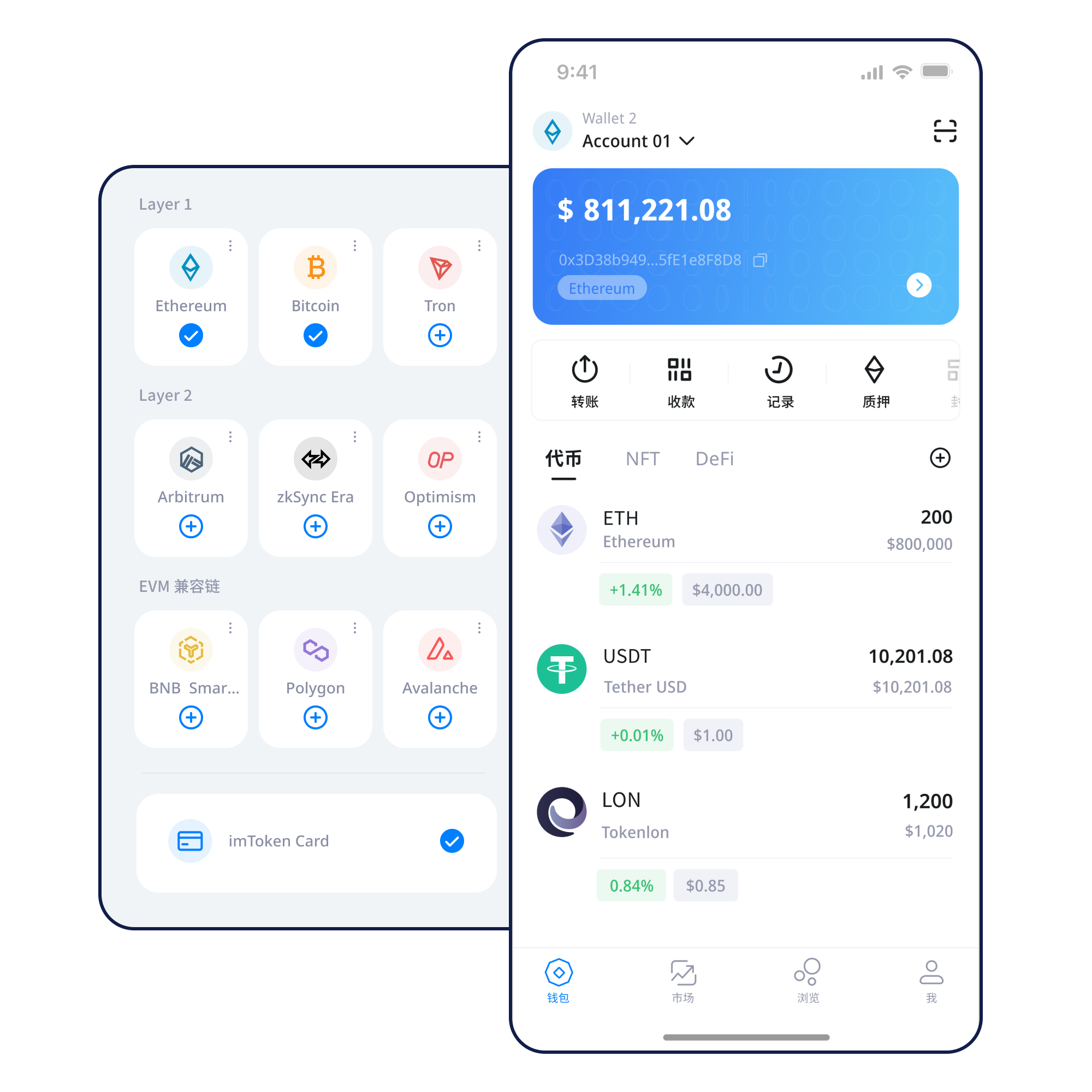
Bring multi-chain assets, network selection, sending and receiving, DApp connections, token approvals, blockchain knowledge and wallet security into one practical flow. imtoken pairs product capabilities with the checks that matter before you act.
Quick Tasks
You do not need to browse every feature first. Enter through the task, then verify the result against on-chain information.
Understand self-custody and create a wallet in a trusted environment.
Open guide →Record the seed phrase offline and verify it without uploading or sharing it.
Open guide →Confirm the network first, then use the address for that network.
Open guide →Review recipient, network, asset and amount before gas and confirmation.
Open guide →Verify the domain and review connection, signature and approval requests separately.
Open guide →Wallet Capabilities
A multi-chain interface can simplify access, but gas assets, token contracts and transaction histories remain network-specific. When a balance looks wrong, verify network and contract first.
Explore multi-chain networks →
Manage networks, portfolio information and transaction history while keeping device security and signing context in view.
Confirm the receiving network first, review transfer details before signing, and use the transaction hash to verify status afterward.
Send & receive guide →Connecting a DApp does not mean every later request is safe. Treat messages, transactions and token approvals as separate decisions.
Learn about Web connections →Keep seed phrases and private keys offline where possible, inspect approval scope, and review permissions that are no longer needed.
Open Security →
Explore Networks
All panel content remains in the server-rendered page; the interaction only changes reading focus.
A multi-chain wallet brings several networks into one interface without merging their ledgers. Confirm the destination network before every transfer or token action.
Multi-chain guide →Public chains use nodes and consensus rules to maintain a shared ledger. Services may wait for additional confirmations after inclusion.
Public chain basics →
EVM networks can share a similar execution model and address format while keeping separate gas assets, token contracts and chain state.
EVM networks →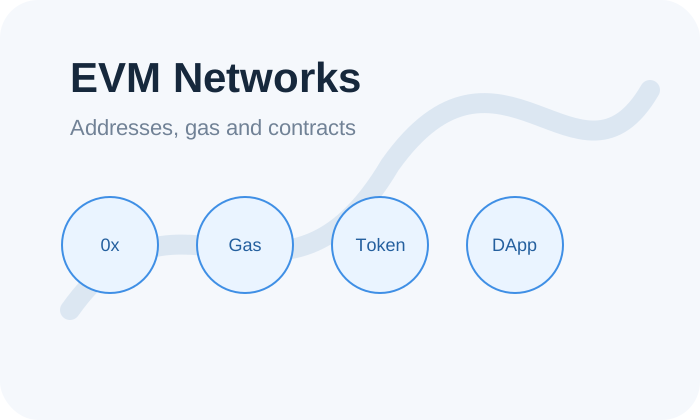
Layer 2 systems have a defined relationship with mainnet. Deposits and withdrawals can involve bridges and different waiting stages.
Layer 2 basics →
Gas reflects execution resources and fee mechanics; confirmations show how a transaction becomes embedded in later blocks. Failed transactions can still consume gas.
Gas & confirmations →Wallet Journey
Use a trusted entry point for the download flow rather than unfamiliar ads or chat links.
Create a wallet or import an existing one only inside a trusted wallet environment.
Store the seed phrase offline and verify its order without screenshots, cloud uploads or chat transfers.
Confirm what the receiving service or DApp supports, including the gas asset and contract context.
Check network, recipient, asset, amount and fee before signing; use a small test where appropriate.
Use the transaction hash to verify on-chain status and clean up connections or approvals you no longer need.
Web3 & DApps
A wallet connection establishes context between an account and a DApp. It does not make every later signature, approval or transaction acceptable. The meaningful review happens request by request.
Read the Web3 guide →Security
Seed phrases and private keys determine account control and should remain under the user’s custody, preferably with offline backup. DApp use requires domain verification, signature review and approval management. Transfers require checks on recipient, network, amount and asset. Shared devices, remote-control sessions and untrusted networks add uncertainty. Confirmed on-chain transactions usually cannot be reversed by the wallet provider, so the decisive review belongs before broadcast.
Open Security →Academy
Addresses, seed phrases, private keys, networks, gas, transaction hashes, DApps and approvals shape what a wallet request actually means. The goal is not memorizing vocabulary; it is building a reliable decision sequence.
Start learning →Ethereum & PoS
PoS validators propose and attest to blocks as part of network consensus. Reward levels depend on network conditions, validator performance and protocol rules, while exits and withdrawals may involve waiting.
Explore Ethereum staking →Product & Security Updates
Creation, backup, transfers, on-chain verification and DApp approvals are grouped around real user tasks.
A normal transfer does not automatically perform cross-chain or cross-layer conversion.
Those credentials do not belong in support forms, websites or chat conversations.
Rewards are not fixed; exits can involve waiting and validators or contracts can introduce additional risk.
FAQ
No. Keep seed phrases and private keys under your own control and never submit them to support forms, chats or unfamiliar websites.
Some compatible networks use the same address format, but each network has separate state, gas assets, contracts and transaction history.
Usually not by the wallet provider. Review the address, network, asset and amount before broadcasting.
Gas is generally a blockchain network fee related to execution resources and congestion, not a universal fixed wallet charge.
A connection usually exposes a public address. Signatures, approvals and transactions are separate requests and should be reviewed individually.
Not necessarily. Disconnecting ends the session; on-chain approvals remain until they are separately changed or revoked.
No. Rewards can change with network conditions, validator performance and protocol rules, and exits or penalties may apply.
imtoken
Every download button goes through the download page. Before any on-chain action, understand the network, address, gas, signature and approval.